Comprehensive vs Third-Party Insurance for Rental Cars
The difference between comprehensive car insurance and third-party liability insurance is one of the most confusing parts of renting a car. Both terms appear in a rental contract and both show that the car is insured, yet they protect different people against different risks. Knowing the difference helps you choose the right cover and see in advance what would happen after damage. This guide explains third-party insurance, comprehensive cover, the excess and optional extras in plain language for drivers renting in Trabzon and Istanbul.
What is the difference between comprehensive and third-party car insurance?
In short, third-party insurance protects others, while comprehensive insurance protects the car. Third-party liability is a legal requirement and pays the other side's losses in an accident where you are at fault. Comprehensive cover, known in Turkey as kasko, is optional and pays for damage to the car you are driving. Rental cars usually have both; what changes is how much you are responsible for when damage occurs. The comparison below sums up the key differences.
- Third-party insurance is compulsory; comprehensive cover is optional.
- Third-party insurance pays for others' losses; comprehensive cover pays for the car's own damage.
- Third-party payouts are capped by policy limits; comprehensive cover depends on the policy type.
- A car without third-party insurance cannot legally be driven; a car without comprehensive cover can.
- In a rental, the excess and extra cover in the contract decide your share of comprehensive claims.
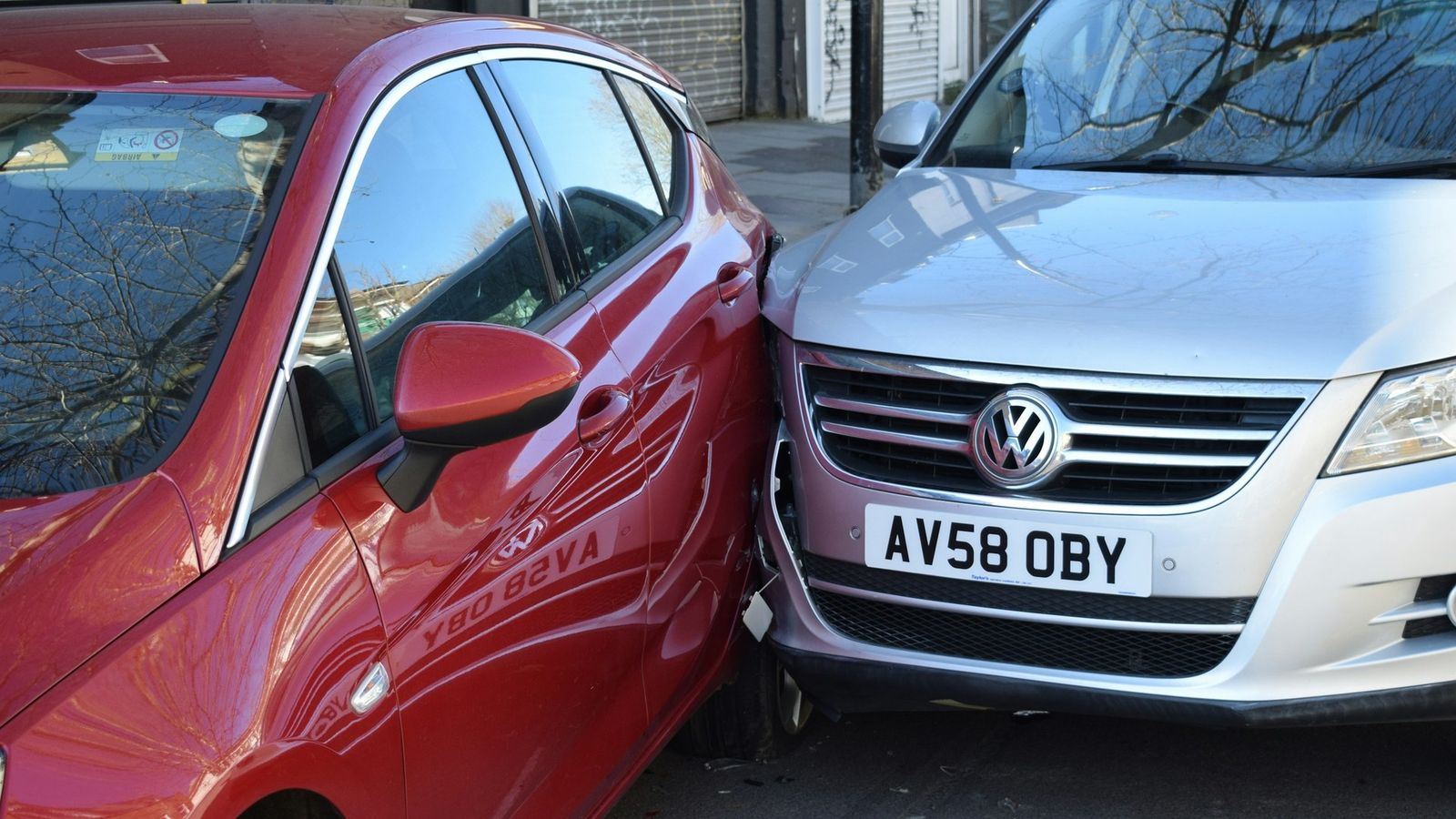
Consider a simple example. In city traffic you drive the rental car into the back of the vehicle in front, and you are at fault. The other car's repairs are paid by the rental car's compulsory third-party insurance. Damage to the rental car's own bumper and headlight is not covered by that policy; it is handled under comprehensive cover. What you pay depends on the excess in the contract and any extra cover you chose.
What does compulsory third-party insurance cover?
Compulsory third-party insurance, known in Turkey as trafik sigortası, is a liability policy that every motor vehicle on Turkish roads must have. Its purpose is to pay for material damage and bodily injury the vehicle causes to third parties in an accident, within the limits written in the policy. For example, if you are at fault, the repair costs of another car or the medical expenses of an injured person fall under this cover. Every rental car has it, because it is required by law.
What does third-party insurance not cover?
Third-party insurance does not pay for damage to the car you are driving. If you cause an accident and the rental car's bumper, headlight or bodywork is damaged, that cost is not paid from this policy. If losses exceed the policy limits, the excess may also fall outside the cover. In some situations, such as drink-driving, the insurer may seek recovery from the driver for the amount it paid to the other side. On its own, then, third-party insurance is not full protection.
What does comprehensive car insurance cover?
Comprehensive insurance is optional cover for the car itself. Standard policies include risks such as collision, rollover, fire and theft. Depending on the policy, natural events like floods, hail and earthquakes, broken glass or damage while parked may also be covered. In a rental, the comprehensive policy belongs to the owner of the car, the rental company. That is why what the cover means for you is set by the rental contract rather than by the policy itself.
When comprehensive cover may not apply
Comprehensive insurance does not pay for every loss unconditionally. Exclusions in the policy and in the rental contract decide whether it applies. The situations below are treated as excluded in many policies and contracts, or they can increase the driver's liability. Read which clauses apply to you before you sign.
- Driving under the influence of alcohol or drugs
- The car being driven by someone not named in the contract
- No accident report or police statement after a crash
- Using the car against the contract, for example for racing or carrying goods
- Theft made possible because the key was left in the car
What is the excess on a rental car and how does it work?
The excess is the maximum amount the driver pays out of pocket when the rental car is damaged. If the damage costs less than the excess, you pay for it; if it costs more, the rest is handled under the comprehensive cover. The excess varies by car class and company and is stated in the rental contract. The deposit hold placed on your credit card at pick-up is often linked to this excess.
Knowing the excess shows you in advance how much you could pay after damage. However, the excess is not always the only item. Some contracts also charge the driver for the days the car spends in repair or for loss of value. Whether these items apply depends on the company. When reading the contract, look beyond the excess amount to every other charge that may follow damage.
Which extra rental car cover should you choose?
Extra cover options are optional packages that reduce the liability comprehensive insurance leaves with you. The right choice depends on how long you rent, which roads you will drive and how much risk you are comfortable with. Names, scope and prices differ between companies, so treat the headings below as a general guide and check the exact terms in your rental contract.
Cover that reduces your damage liability
The most common extra is a package that reduces or removes the excess you pay after damage. With it, as long as you follow the contract terms, your out-of-pocket cost for small and medium damage drops. It brings peace of mind on longer rentals, in heavy Istanbul traffic or on unfamiliar roads. Always ask which types of damage the package does not cover.
Glass, tyre and headlight cover
Standard comprehensive cover and excess reduction packages sometimes exclude glass, tyres, wheels and headlights. A separate cover may be offered for these parts. On the winding and sometimes rough roads from Trabzon to Uzungöl or the Black Sea highlands, the risk of stone chips and tyre damage rises. If you plan a route like this, glass and tyre cover is worth considering.
Personal accident cover
Some companies offer personal accident cover, which pays out if the driver or passengers are injured in an accident. It concerns the people in the car, not damage to the vehicle. If your own health or travel insurance already covers this risk, an extra package may not be needed. We suggest checking your existing policies before deciding.
What should you do after an accident in a rental car?
The steps you take right after an accident matter as much as the insurance itself. Comprehensive cover and excess reduction usually depend on certain documents being complete. If a document is missing, even the widest package may not help. Follow the steps below in order and stay in touch with the company throughout.
- Make sure you and your passengers are safe, and call emergency services if needed.
- Photograph the scene and the damage before the car is moved.
- Fill in an accident report with the other driver or obtain a police statement.
- Call the rental company at once and follow its instructions.
- Do not arrange repairs yourself and do not leave any document incomplete.
Conclusion: why the difference matters
Understanding the difference between comprehensive and third-party car insurance is the first step to knowing where your responsibility in a rental car begins and ends. Third-party insurance protects others, comprehensive cover protects the car, and the excess together with any extras decides what comes out of your pocket. When renting with Zuzu Rent A Car, you can ask about the excess and cover options before pick-up and choose the protection that suits your trip.
Frequently asked questions
Does my own car insurance cover a rental car?
Usually not. A comprehensive policy is tied to a specific vehicle, and the rental car's cover belongs to the rental company. Some credit cards or travel insurance policies offer cover for rental car damage; the scope depends on the card or policy holder's terms.
Can I reduce the excess on a rental car to zero?
Many companies offer an extra package that reduces or removes the excess. These packages still have exclusions; for example, the cover may not apply after use that breaches the contract or when documents are missing. Check the scope in writing before you sign.
Do I pay anything if the other driver caused the accident?
If the other driver is fully at fault, damage to the rental car can be claimed from their third-party insurance. This requires a complete accident report or police statement. How the company handles the deposit or excess until the claim is settled depends on the contract.
What happens if my rental car is hit while parked?
Photograph the damage as soon as you notice it and report it to the company. Note any witnesses or cameras nearby and file a police record if needed. If the person responsible cannot be found, how the damage is treated depends on the comprehensive cover and the contract.
Is extra cover mandatory?
No, extra cover is optional. Third-party insurance is already compulsory and included with the rental car. Without an extra package, your liability after damage is limited to the excess in the contract, so knowing that amount in advance makes the decision easier.
Reserve your car for the trip now.