Road Trip in a Rental Car: Tips for Trabzon and the Black Sea
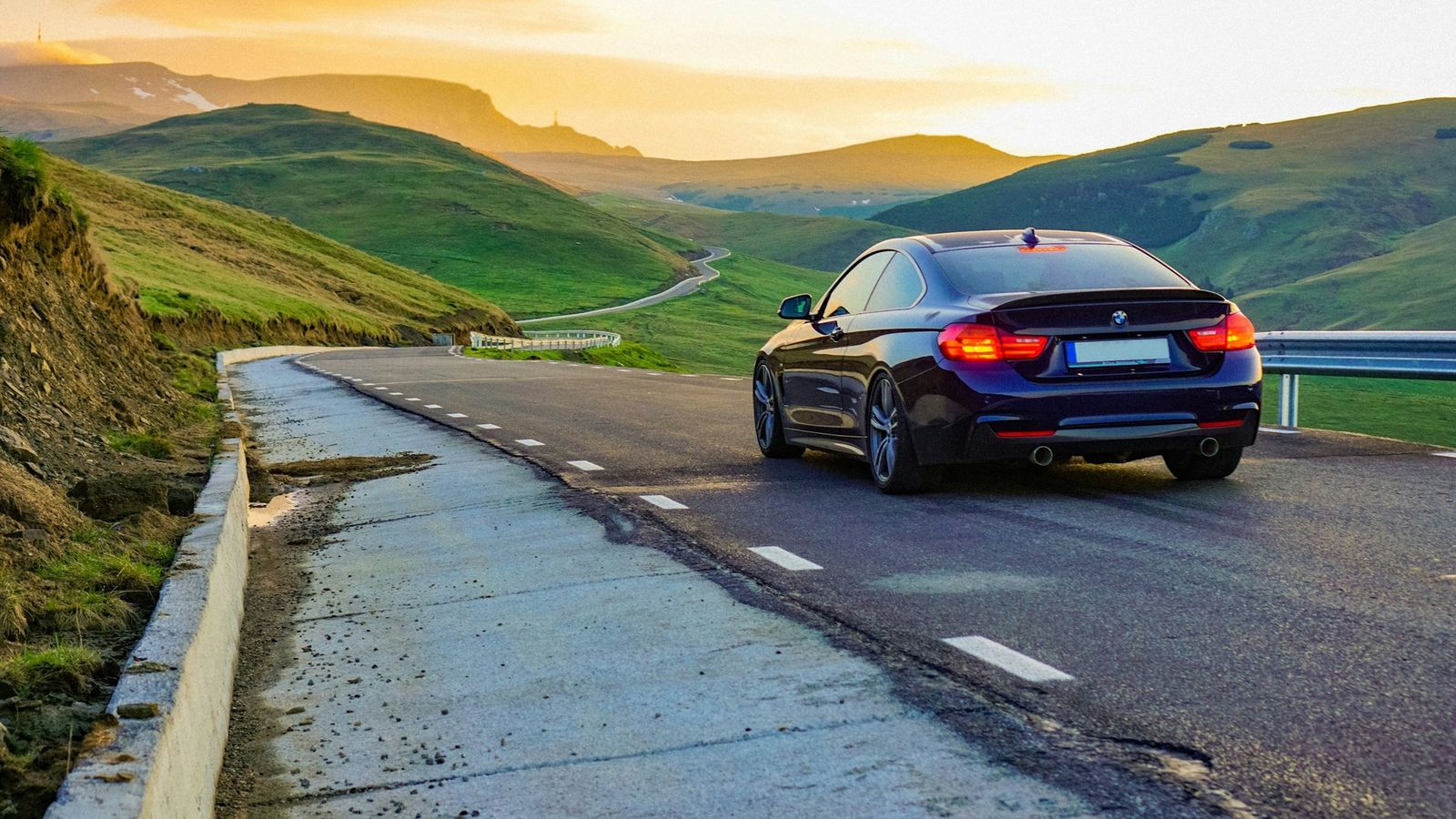
A road trip in a rental car is one of the most flexible ways to travel: you set the route, the stops and the pace. You can pick up a car at Trabzon Airport, reach Uzungöl the same afternoon and head for Ayder or the Hıdırnebi Plateau the next day. Still, driving an unfamiliar car on winding mountain roads takes some preparation. This guide covers practical tips for before and during a long drive, from choosing the car and reading the contract to fuel planning and safe driving on Black Sea plateau roads.
What should you plan before a road trip in a rental car?
Every long-distance plan comes down to three questions. How many people and how much luggage? What kind of roads? How many hours a day behind the wheel? The answers decide the car class, the route and how often you stop. Black Sea distances look short on a map, but winding roads and summer plateau traffic stretch travel time. Planning by driving time rather than kilometres is far more realistic.
Split the route into days
Trying to see too many places in one day is the most common road trip mistake. If you base yourself in Trabzon, give one day to Uzungöl, one to Sümela Monastery and the Maçka area, and one to Rize and Ayder. This keeps both the driving and the sightseeing relaxed. Aim to reach your accommodation before dark, which also removes most of the visibility problems on mountain roads.
Pre-departure checklist
- Carry your driving licence, ID or passport and a copy of the rental agreement.
- At pickup, photograph the bodywork, the tyres and the fuel gauge.
- Download offline maps, since mobile coverage can drop on plateau roads.
- Keep water, snacks and a phone charging cable within easy reach.
- Save the roadside assistance and emergency number from the contract in your phone.
Which rental car is best for a long drive?
The right rental car for a long drive depends on passengers, luggage and how steep the route is. Details you never notice in town matter after hours on the road: seat support, boot space, how the engine pulls on climbs and fuel consumption. When booking, confirm the gearbox and fuel type so there are no surprises at pickup.
For couples and small families
For two or three travellers, compact models such as the Renault Clio, Dacia Sandero or Renault Taliant are usually enough. They are easy to park in town and economical on main roads. The Taliant's saloon body is a practical choice if you prefer to keep suitcases out of sight in a closed boot.
For larger groups and plateau routes
On plateau roads, ground clearance and engine power matter most. SUVs such as the Renault Duster and Chery Tiggo 7 handle rough surfaces and steep climbs more comfortably. For larger groups and families with lots of luggage, roomy vehicles like the Opel Zafira or Citroën Berlingo keep everyone comfortable and fit all the bags.
What should you check in the rental contract before a long trip?
Reading the rental agreement before you set off prevents most later disagreements. Mileage limits, fuel policy, insurance cover and additional driver rules all affect long trips. These terms vary by company and package, so get clear answers to these questions before pickup.
- Is there a daily or total mileage limit, and how is extra mileage charged?
- Is the car supplied with a full tank, and must it be returned at the same level?
- Which types of damage does the insurance cover, and what is the excess?
- Does a second driver who will share the wheel need to be added to the contract?
- Can the car be dropped off in another city, for example in Istanbul?
Sharing the driving reduces fatigue, but a driver not named on the contract can cause insurance problems if there is damage. If you are renting with Zuzu Rent A Car, mention requests such as an additional driver or a different drop-off point when booking; it speeds things up on pickup day.
How do you drive a rental car on the Trabzon–Uzungöl and plateau roads?
The basic rule on the Black Sea plateau routes is simple: match your speed to how far ahead you can see. The road from Trabzon to Uzungöl leaves the coastal highway and climbs along a river valley, with tighter bends and narrower sections as it goes. The roads towards Ayder, Hıdırnebi and Zigana follow a similar pattern. These routes reward you with spectacular scenery, but they demand constant attention.
Bends, climbs and long descents
On long, steep descents, use a lower gear instead of riding the brakes, so they do not overheat. In automatic cars, manual mode or a low gear setting does the same job. Slow down before blind bends and keep to your lane. On narrow stretches, oncoming tour minibuses and local traffic may drift towards the centre, so use the horn or a quick headlight flash when needed.
Fog, rain and changing weather
Black Sea weather changes quickly, and fog, sudden rain and wet surfaces are common on the plateaus. When fog rolls in, switch on dipped headlights and any fog lights, and increase your following distance. Outside the main season, check before leaving whether high roads are open and whether winter tyres are required. Fuel stations are scarce on plateau roads, so fill up in Trabzon, Of or Rize before entering the valleys.
How do you manage fuel, motorway tolls and HGS on a long drive?
Fuel and motorway tolls are the largest running costs of a road trip. In Türkiye, most motorway and bridge tolls are charged automatically through the HGS electronic toll system. Rental cars usually come with an HGS tag fitted, and tolls are passed on to the renter afterwards. Asking how this works at pickup prevents an unexpected item on your final bill.
The Black Sea coastal road is largely a toll-free state highway. On longer routes towards Istanbul or further west, motorway and bridge tolls come into play. If you collect the car at Istanbul Airport or Sabiha Gökçen and head into Anatolia, check the toll sections in your navigation app beforehand.
The easiest ways to cut fuel use are to drive at a steady speed, remove unnecessary weight from the boot and use the air conditioning sensibly. With a full-to-full fuel policy, filling up at a station close to the return point just before drop-off reduces the chance of a refuelling charge.
How do you manage breaks and fatigue on a long journey?
Fatigue is the biggest risk on any long drive. The widely accepted guideline is a short break roughly every two hours, but the real signal is your body. Frequent yawning, heavy eyelids and drifting within the lane all mean it is time to stop. Instead of trying to push through with coffee, pull over somewhere safe and rest.
- Get out of the car during breaks, walk for a few minutes and stretch.
- Choose light snacks and plenty of water over heavy meals.
- If there are two drivers, swap at regular intervals.
- Drive mountain roads in daylight where possible and keep night driving short.
On Black Sea routes, stopping is part of the experience anyway. Riverside cafés along the Uzungöl road and viewpoints on the coastal highway are good places to rest and take in the scenery. Treating breaks as enjoyable stops rather than a chore keeps the whole trip at a balanced pace.
Conclusion: what matters most on a road trip in a rental car?
A successful road trip in a rental car depends on a little preparation before you leave. Choose a car that suits your route and group, clarify the mileage, fuel and insurance terms in the contract, adjust your speed to the mountain roads and take regular breaks. Together these make the journey both safe and enjoyable. If you are planning a route from Trabzon to Uzungöl or from Istanbul to the Black Sea, you can describe it to the Zuzu Rent A Car team and choose the right car together.
Frequently asked questions
Can I drive a rental car from Trabzon into Georgia?
That depends entirely on the rental company's permission. Although the Sarp border crossing is easy to reach from Trabzon, taking a rental car abroad requires written approval from the company and extra documents. If you are considering it, ask when you book.
What should I do if the car breaks down or gets a flat tyre?
First move the car to a safe spot, switch on the hazard lights and place the warning triangle. Then call the roadside assistance or company number listed in your contract. Avoid arranging repairs without the company's approval, as this can affect whether costs are covered.
Who receives a traffic fine issued to a rental car?
Traffic fines are sent to the company the car is registered to. Once the company confirms the offence happened during your rental period, it passes the fine on to you under the terms of the contract. Following speed limits and parking rules is the simplest way to avoid surprises after the return.
Is parking difficult in Uzungöl?
During summer and public holidays the Uzungöl area can get very busy, and parking close to the lake fills up quickly. Arriving early in the morning or using your hotel's car park makes things much easier.
Can I travel with a pet in a rental car?
Pet policies vary by company. Where pets are allowed, they are usually expected to travel in a carrier or on a protective cover. Returning the car very dirty or covered in hair may lead to an extra cleaning fee, so check in advance.
Reserve your car for the trip now.