Rental Car Fuel Policy: Full-to-Full, Same Level and HGS Tolls
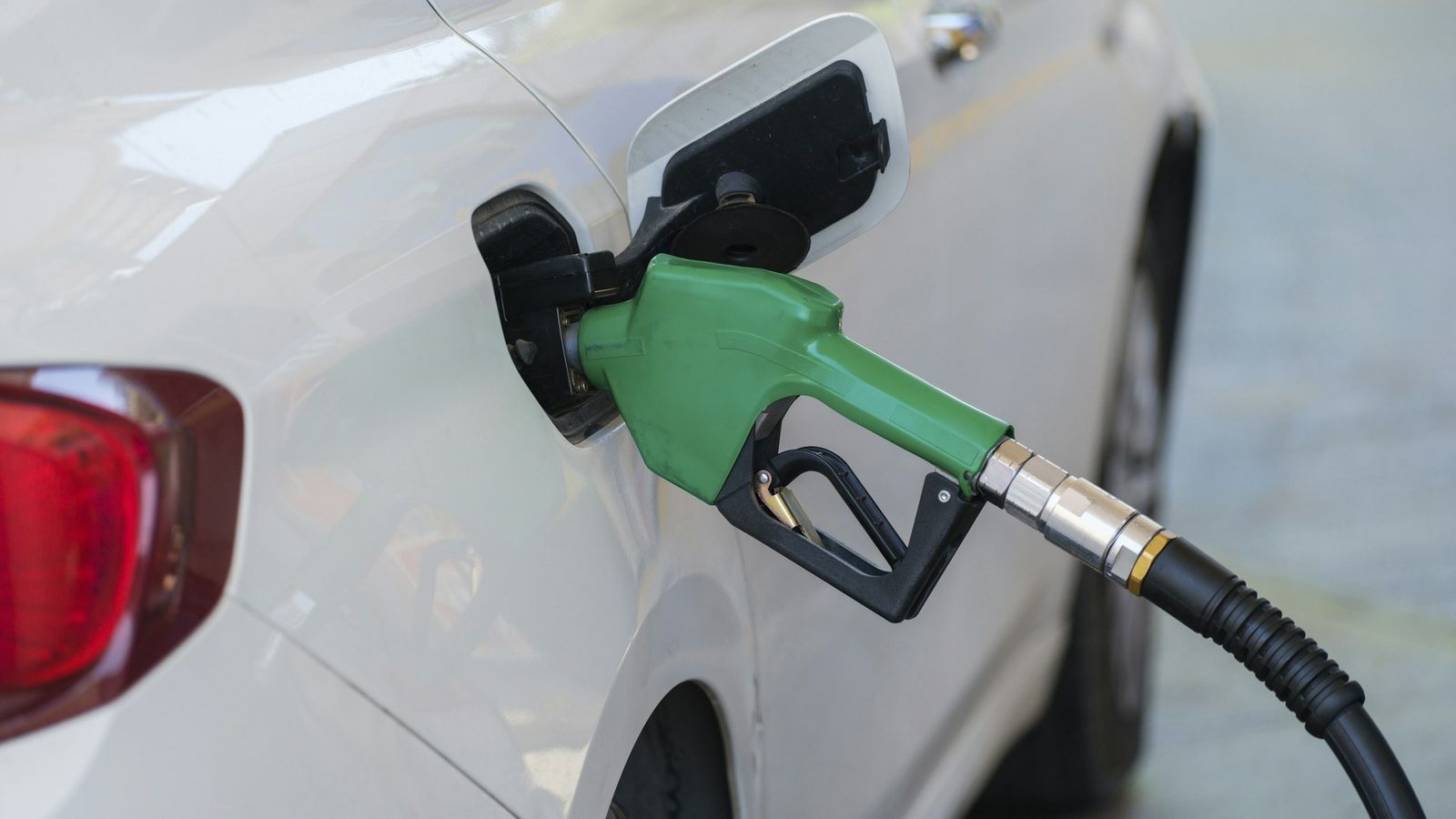
When renting a car, most people focus on the daily rate and the model. Yet the rental car fuel policy is one of the clauses that affects your total cost the most. It decides the fuel level at pickup, the level expected at return and how any missing fuel is charged. Whether you drive from Trabzon Airport to Uzungöl or from Istanbul Airport to the city centre, knowing the fuel rule and HGS toll charges in advance helps you avoid surprises at drop-off. This guide explains the common options in plain language.
What is a rental car fuel policy?
A fuel policy is the section of the rental agreement that sets the rules for the car's fuel. In short, it answers one question: at what level do you receive the car, and at what level should you bring it back? The rule works together with the fuel level written on the handover form, the check at return and any charge for missing fuel. The type of policy can vary by company, vehicle and rental length.
The fuel policy matters because it decides who pays for fuel and at what price. When you refill the tank yourself, you pay the normal pump price. When the rental company tops it up for you, a service fee may be added on top of the fuel cost. Whether such a fee applies, and how it is calculated, is stated in the rental agreement. Reading that clause before you sign is the easiest way to save money.
How does a full-to-full fuel policy work?
Under a full-to-full policy, you receive the car with a full tank and are expected to return it full. During the rental you buy fuel at any station you like, using your own payment method. It does not matter how many kilometres you drive. What counts is that the gauge shows a full tank when you hand the car back. Because it is transparent and easy to calculate, it is one of the most widely used models.
Benefits of full-to-full
The main benefit of this model is predictability. You pay only for the fuel you actually use and never for fuel you leave behind. The same rule applies to a short city rental and to a long road trip, so the maths stays simple. If you keep the fuel receipt, you can also show exactly where and when you filled the tank if any question comes up at return.
What to check before returning the car
- Find the fuel station closest to the return point while planning your route.
- Refill shortly before drop-off; a long drive after filling can lower the gauge.
- Stop when the pump clicks off automatically and do not overfill.
- Keep the fuel receipt and payment record until the return is complete.
- Take a photo of the fuel gauge and the odometer at return.
What does a same-level fuel policy mean?
Under a same-level policy, the car may be handed over without a full tank, for example a quarter or half full. You are expected to return it at the same level. This model is practical for short rentals: if you only need the car for a few hours or one day, you do not have to fill the whole tank. To work fairly, however, the starting level must be clearly recorded.
Record the fuel level at pickup
Most fuel gauges use marks or segments rather than an exact number. That is why you should photograph the gauge at pickup and compare it with the level written on the handover form. If the two do not match, tell the staff before you drive away. This way there is no disagreement at return about which level should be used as the reference.
Before returning the car, it is safer to bring the gauge slightly above the starting level. Gauges can read differently on a slope or for a few minutes after the engine starts. Adding a little extra fuel lowers the risk of a missing fuel charge. Whether you are refunded for any extra fuel you leave depends on the company, so it is best to ask at pickup.
Prepaid fuel and other options
With some rentals you pay for fuel upfront and can return the car at any level. This is usually called prepaid fuel or a fuel purchase option. It saves time and suits travellers with an early flight who do not want to stop at a station before drop-off. However, unused fuel is usually not refunded. For short distances, this option can therefore end up costing more.
The right model depends on your route. If you plan long drives and have time before the return, full-to-full is usually the cheaper choice. For short city use, same-level works well. Always check which policy applies in your booking confirmation and in the rental agreement. If you are renting with Zuzu Rent A Car, you can ask the team about the fuel terms before pickup.
How are HGS toll charges paid in a rental car?
In Turkey, most bridge and motorway tolls are collected through HGS, the Fast Pass System. Most rental cars carry an HGS sticker on the windscreen. When you pass a toll point, the fee is deducted from the account linked to that sticker and is later passed on to the renter. When and how this is charged, for example at return or afterwards, varies by company and is set out in the rental agreement.
Bridges and motorways in Istanbul
In Istanbul, part of everyday driving runs over toll bridges, tunnels and motorways. Some crossings between the European and Asian sides, and some roads linking to Istanbul Airport and Sabiha Gökçen, charge a toll. Fees vary by route and vehicle class. When planning, you can use the avoid tolls option in your navigation app, or simply include the expected toll cost in your trip costs in advance.
Driving to Uzungöl and around Trabzon
In Trabzon, whether you meet a toll road in the city or on popular routes such as Uzungöl and Sümela depends on the road you choose. The easiest way to know is to check the route in your navigation app before setting off. Fuel stations can be less frequent on mountain roads than in the city centre. Filling up before heading towards Uzungöl is both safer and easier for your return plan.
Saving fuel and choosing the right fuel type
Whatever the policy, careful driving lowers your total cost. The first step is to know which fuel the car uses. Even the same model can come with a petrol or a diesel engine. The fuel type is usually written inside the fuel flap and is also mentioned at pickup. Putting in the wrong fuel can damage the engine, and how such damage is handled is described in the rental agreement.
Fuel consumption also varies across the fleet. Compact models such as the Renault Clio, Dacia Sandero and Renault Taliant are economical in the city and on short trips. SUVs such as the Renault Duster and Chery Tiggo 7, and roomy vehicles such as the Opel Zafira and Citroën Berlingo, suit larger families and trips with lots of luggage. Naturally, consumption may be somewhat higher in these cars.
- Check tyre pressure, as low pressure increases consumption.
- Avoid sudden acceleration and hard braking.
- Keep a steady speed and the right gear on long drives.
- Do not carry unnecessary weight in the boot.
- Use the air conditioning only as much as you need.
- Plan around rush hour traffic whenever you can.
Conclusion: what to watch in a rental car fuel policy
A rental car fuel policy looks like a small detail, but it makes a real difference at return. On full-to-full, refill at a station close to the drop-off point. On same-level, record the starting level with a photo. Ask at pickup how HGS toll charges will be billed and keep your receipts. These few simple steps help you finish your rental in Trabzon or Istanbul without any surprises.
Frequently asked questions
Is fuel included in the rental price?
The rental rate usually does not include fuel; you pay for what you use. Where a prepaid fuel option is offered, it is paid separately at the start. Your booking confirmation shows exactly what is included in the price.
Does the fuel rule change if I return the car in another city?
The fuel rule usually stays the same regardless of the return location. If a one-way return is possible, its conditions and any extra fees depend on the company. It is best to mention a one-way plan when you book.
What should I do if the HGS sticker in the rental car does not work?
The HGS sticker in a rental car is usually linked to the rental company's account, and the company monitors it. If you get a warning at a toll point, inform the company as soon as possible. How unpaid tolls are handled is set out in the rental agreement.
Who checks the fuel level at return?
At return, a staff member usually checks the fuel level against the handover form. It is a good idea to be present during the check and take a photo of the gauge. That way both sides rely on the same record.
Can I use my own HGS sticker in a rental car?
An HGS sticker is registered to a specific vehicle and plate, so using your personal sticker in another car is not appropriate. The rental car's own sticker already records your passes. Toll fees are then billed to you as described in the agreement.
Reserve your car for the trip now.